
Early Childcare
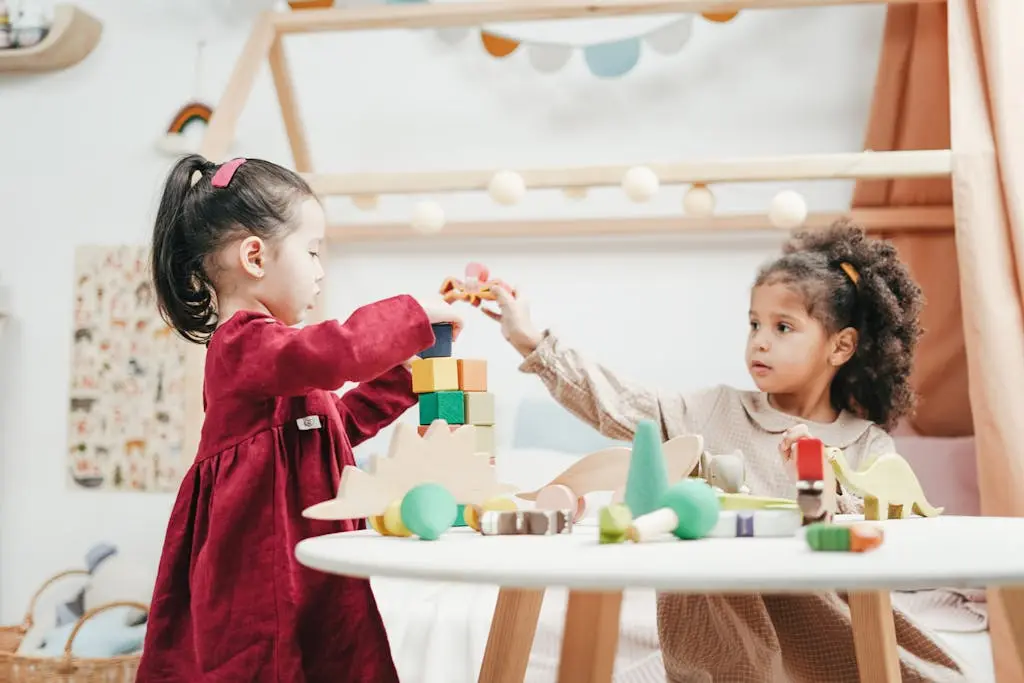
Babies and preschoolers stay with familiar teachers who feed, hold, and read to them.
Explore Early ChildcareThis finished website is ready. Pick the monthly plan you want and activate it without scheduling a call.
We run your website for you.
We run your front desk for you.
We run your front office for you.
You'll be taken to secure card checkout (Stripe). The website, hosting, and owner portal activate automatically after payment. Texting switches on once the carriers approve your registration, usually 1–2 weeks. See everything in each plan →
Your website is saved. Please try secure checkout again in a few minutes — no call is required.
Your owner account is being activated and the clean production version is publishing automatically. Watch your email for the portal invite.

Serving Milton and beyond since 1985, with a Parent Child Center behind you.
Request a visitChildren move up room by room as they grow, from first care through the school years.
Babies and preschoolers stay with familiar teachers who feed, hold, and read to them.
Explore Early Childcare
Kids 5 to 12 arrive after school, eat a snack, play, then settle into homework or crafts.
Explore After School Care
Families shop a daily self-select market, choosing food like any grocery store.
Explore Community Food Shelf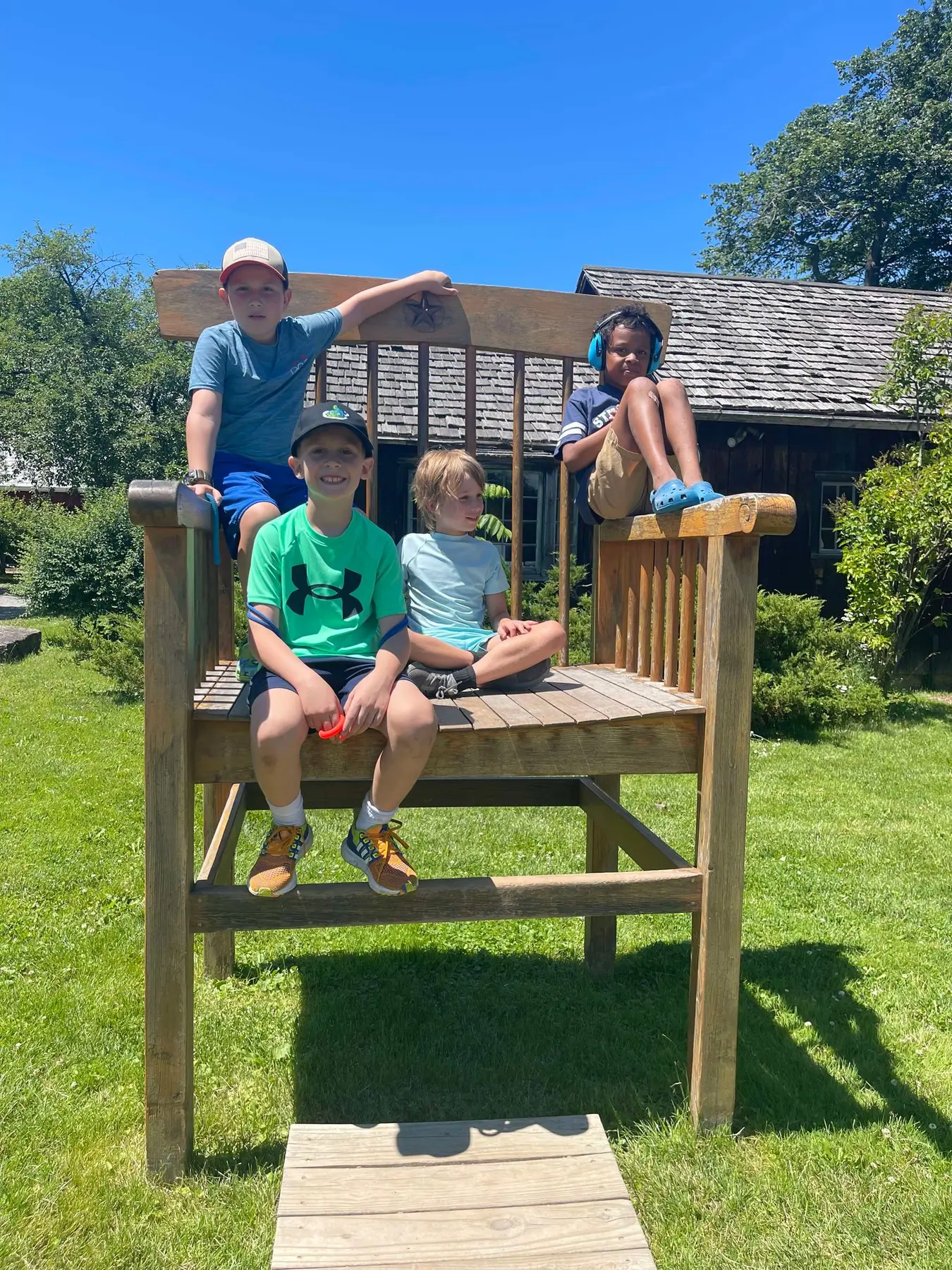
A home visitor comes to you and works on your child's development in your own space.
Explore Home VisitsAt MFCC, raising happy and healthy kids is hard work, and it should not be done alone. We create chances for parents and caregivers to connect, compare notes, learn, problem-solve, and celebrate successes together. As a Parent Child Center, we cultivate five protective factors to help children and families grow stronger. A recent Make Way for Me grant supports our work.
A room for babies looks different from a room for four-year-olds, and the pace changes with them. Low shelves hold toys a child can reach and put back. There is a floor space to crawl or build, a table for small groups, and a quiet corner. The day follows a steady rhythm: play, snack, rest, outdoor time, so a child can predict what comes next and settle.
Visitors notice the adults are down at child height. A teacher sits on the floor to talk with a two-year-old rather than calling from across the room. They notice children helping set the table and older kids walking younger ones to the playground. A parent may be feeding a baby in the corner, or picking up food from the shelf on the way out.

Mornings start slowly by design. A child hangs up a coat, puts a bag in a cubby, and joins the room. A teacher greets the child by name and kneels to eye level. Some children head straight for blocks or the book corner; others need a lap for a few minutes first.
The middle of the day is a mix of play, small-group time, meals, and rest. Toddlers might paint at a low table while a teacher names colors; older children sort or count at a nearby table. Meals are eaten together, with children passing plates and pouring water. Afternoons bring outdoor time, and rest for those who still nap.
Later in the afternoon, energy dips. There is a quiet activity, a story, or blocks before cleanup. Cubbies get packed, coats get zipped, and a teacher tells you one thing that happened: a first tower, a shared toy, a new word. Pickup is a handoff, not a rush, so you leave knowing how the day went.
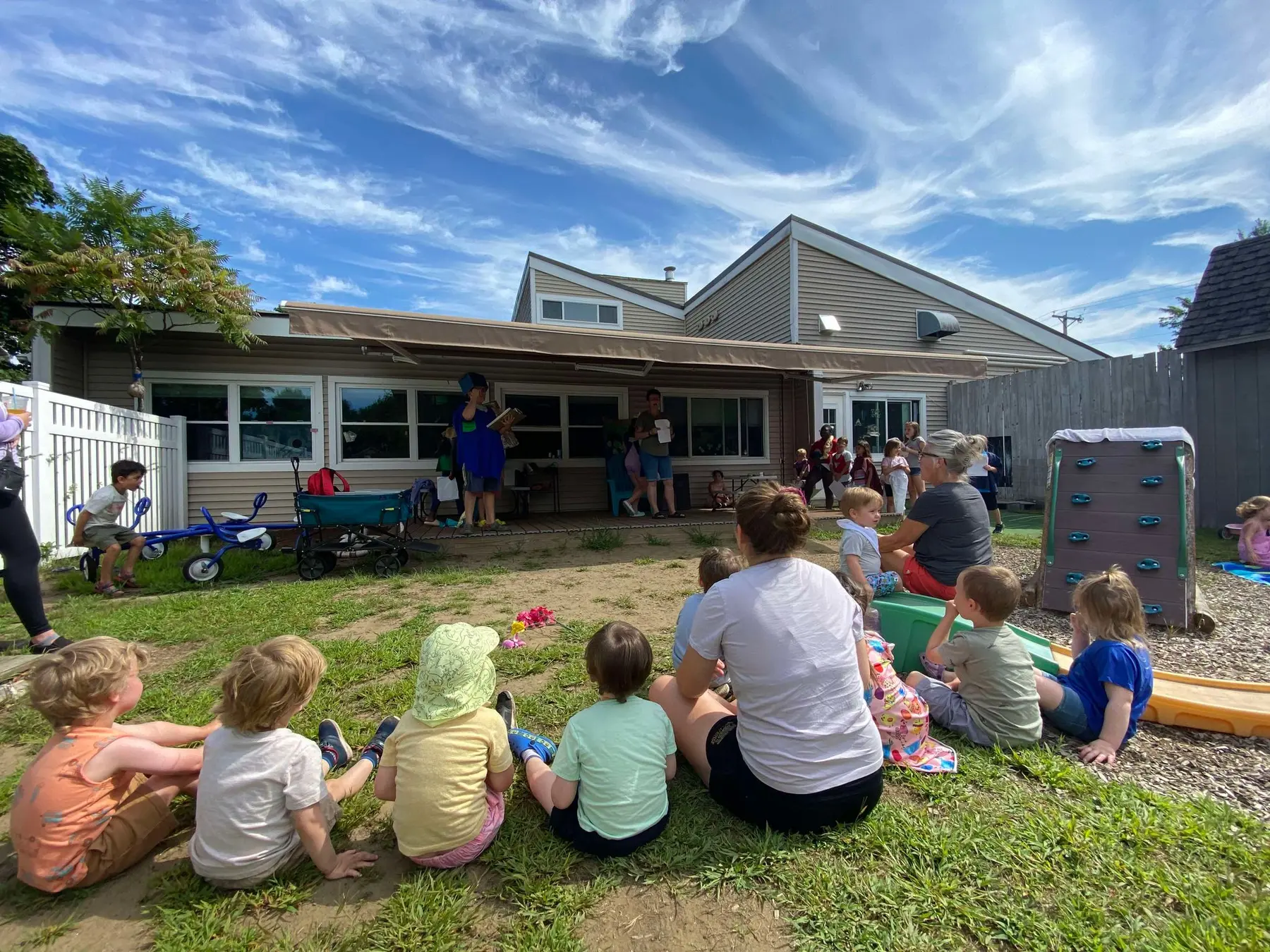
At pickup, a teacher often tells you one specific thing: your child tried the paint today, or sat with a friend at lunch. You can ask questions then, or later by phone or email. Staff also run parent groups and events, so families can compare notes and problem-solve together rather than alone.
New children settle in at their own speed, and staff plan the first weeks around that. You might stay a short while on the first days, then step out for a bit and check in. Teachers keep you posted on how your child eats, sleeps, and plays. You can ask about what works if mornings are hard, and adjust together.
Call (802) 893-1457 or email bgilbert@miltonfamilycenter.org. Tell us your child's age and needed days.
See your child's classroom and meet its teachers. Bring your child and your questions.
Complete enrollment and plan a first week that suits your child's routine, naps, meals, and drop-off.
Children 0-5, plus afterschool care for kids 5-12.
Tours are how families decide. Children come with you to see the rooms and teachers.
Pack a change of clothes, diapers or pull-ups if needed, and a comfort item for rest time. Label everything.
Schedules depend on your child's age group and what is open. Call or email us to ask.
We can note your child's age and call when a place opens, but cannot promise a date.

Come walk through and see a morning in progress; bring your child along.
Request a visit